 Skip to content

It is quite easy to connect a flash drive to your MacBook Air. However, the required steps are usually different based on your exact laptop edition and port shape.
Every detail is mapped out in this MacBook Air flash drive guide, which breaks down the plug-in phase and transferring your documents. It also walks through formatting the stick for Mac compatibility and fixing any connection problems that pop up.
Knowing how to quickly use a USB drive on your MacBook Air can help you back up research materials smoothly.
What You Need Before Connecting a Flash Drive
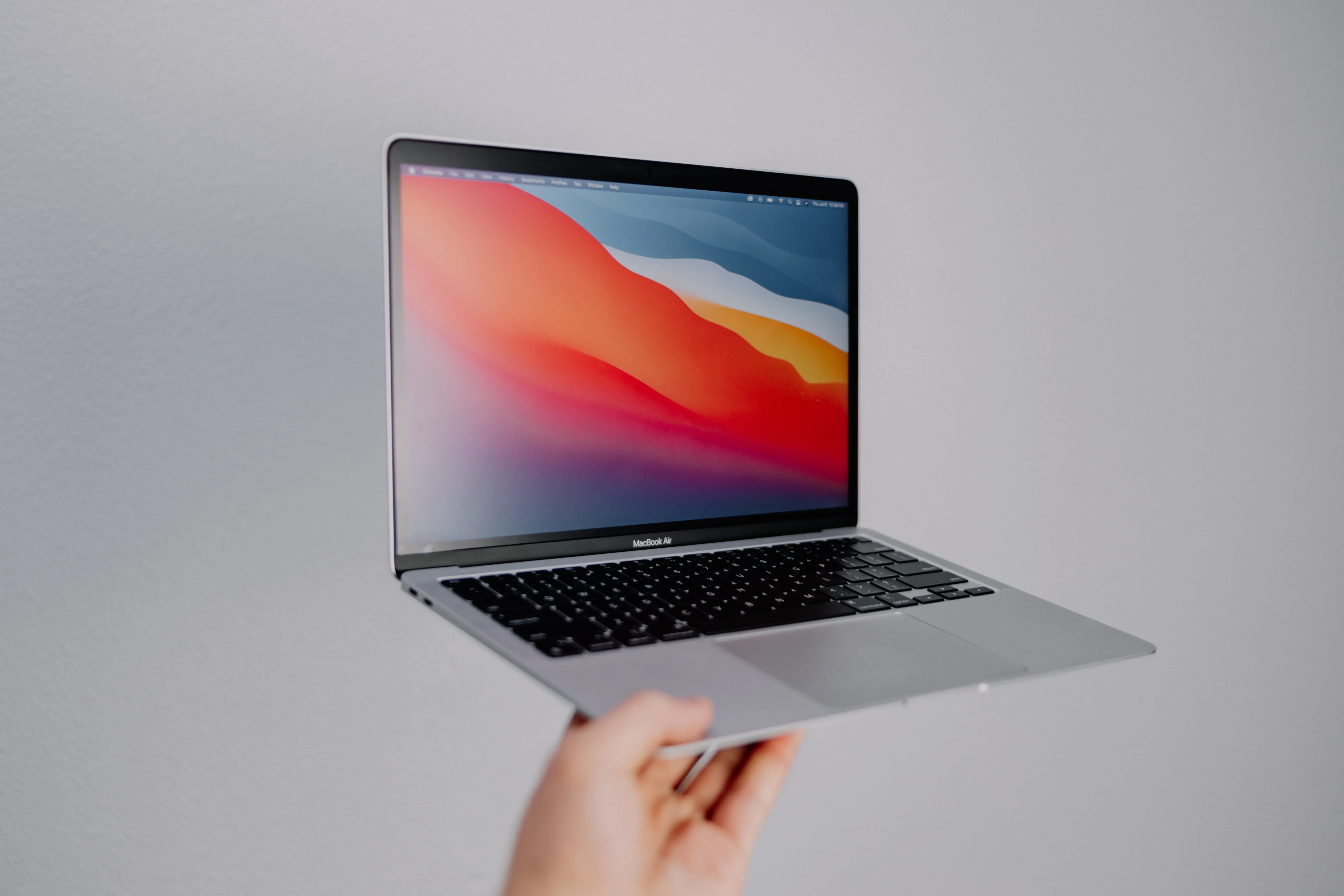
The first step to knowing the plug that fits is checking the side of your laptop. If you have an older model, you are likely to see wide, rectangular ports. However, if it’s a modern one you’ll see small, pill-shaped openings. If the ports are small and rounded, then you can directly connect a USB-C flash drive to your MacBook Air.
People with older, blocky memory sticks do not need to throw them away. It is possible to use a flash drive adapter to facilitate a connection between the older stick and the MacBook.
How To Plug a Flash Drive Into a MacBook Air
First, attach the adapter to the metal end of the flash drive. You should allow it to sit firmly before being plugged into the computer. After that, you should plug the flash drive into your MacBook Air using one of the USB-C ports. Your Mac should be able to detect the storage device and show it in Finder.
Depending on the Finder settings, the drive may also appear on the desktop. Open it there to access the audio files stored on it. With these steps, you can easily insert your flash drive into your MacBook.
How To Open and Access Your Flash Drive on Mac
Connecting a storage stick to your laptop takes only a second, leaving the actual task of getting your files as your main goal. You may notice a small metallic looking drive symbol on your main screen. If you double click that little graphic, you should be able to open the flash drive on your Mac and view all your folders.
If your computer usually hides desktop items, then you should check the left side of your file manager. Glancing under the locations menu is the best method to find your USB drive in Finder and see your transferred content.

How To Transfer Files Between Your MacBook Air and a Flash Drive
Backing up projects takes only a few clicks and a little bit of dragging. Open two windows side by side on your screen. If you want to transfer files to a flash drive from your Mac, you have to click on the document you want and then drag it to the external storage folder. Once you release your trackpad, the item will stay exactly where it belongs.
Many people often choose to copy files from their MacBook to a USB so that they have physical copies of folders that take up space. Doing this helps to keep everything organized.
The steps are the same when you decide to copy photos to a flash drive on a Mac for safekeeping. Just select the images, drag them across, and click the eject icon before removing the device.
How To Safely Eject a Flash Drive on MacBook Air

You can ruin your files if you pull out your storage device without following the proper steps. Computers usually run hidden background tasks long after copying finishes. If you suddenly pull out the hardware, it can lead to corrupted documents and lost memories. You should always take your time to ensure that the flash drive is ejected from your Mac properly.
When you right-click the drive icon on the desktop, you’ll see a menu with an eject option. Alternatively, you can simply drag the icon to the trash bin. Doing this helps you to safely remove the USB drive from your Mac every time. Open your folders to unmount the USB on your MacBook by clicking the tiny arrow next to the device name.
What To Do if Your Flash Drive Does Not Show Up on Mac
If your flash drive is not showing up on your Mac, there are a few steps you can take to fix the problem. Physical connections are the best place to begin troubleshooting the problem of your MacBook Air not detecting your USB.
Wiggling the plug slightly or checking for a loose fit can usually solve the problem right away. If you check the ports and they are clean, then the problem may be an incompatible format. To confirm if the system actually read the stick you can use Disk Utility.

It’s also possible that your computer restricted the visibility. In this case, you can just adjust the desktop settings to fix the problem.
How To Make a Flash Drive Work on Mac and Windows
A great way to save hours of frustration is by getting the drive to read properly everywhere. You may need to format the flash drive for Mac and Windows so that anyone can open the files right away.
You have to select the right file system during the erase process using the built-in formatting tool. The option to go for on your Mac USB drive is ExFAT. This option is usually recommended because it is able to handle large files very well. Once you do this, you should have a USB format that is compatible for both Mac and PC users.
How To Fix Problems When You Cannot Copy Files to a Flash Drive
If you are having issues with copying files to a flash drive, then something may be blocking write access. The drive format is one of the first things that you have to check.
There are some Windows-focused drives which use NTFS. Mac can usually read this, but cannot write to it without any extra software or reformatting. This means that the device can be working perfectly fine, but still be read only on Mac.
Another factor that can prevent files from being added or changed is the Permissions. Also, the amount of storage space matters. Deleted items may still be taking up room until the Trash is emptied.
Can You Use a Flash Drive Without an Adapter on MacBook Air?
On newer MacBook Air models with USB-C or Thunderbolt ports, an adapter will usually be needed when someone wants to share files on an older rectangular USB-A memory stick. That older connector simply does not fit into the newer oval ports.

If you want to make the entire process cleaner you can switch to newer storage. With a native USB-C flash drive, connecting with your MacBook Air is easy and there is no need for any extra adapter.
Conclusion
It’s quite easy to connect a flash drive to your MacBook Air. All you have to do is pay attention to a few details. You first need to make sure that the drive can connect to the port of your laptop. If the flash drive uses USB-A and the MacBook Air only has USB-C ports, then you will need an adapter.
After that, the drive should appear in Finder, making it easy to copy your photos, documents, and other files. If the Mac refuses to read it, the storage format may need to be checked in Disk Utility. Formatting can help, but it also wipes the drive. Before removing the flash drive, eject it properly by dragging its icon to the Trash to reduce the risk of file damage.
Related posts:
 How Big Is A MacBook Air ?
  How To Remove SD Card From MacBook ?
  How To Connect To USB Port For Mac Air ?
  Getting Started with Your New Macbook Air
  How to Create a Bootable USB for Installing Windows XP
  How Many Watts Charger Should I Use For MacBook Pro?
  The Eject Button on Mac – All You Need To Know How To Play Flash Games On Iphone